


Technology is always advancing, changing things and the legal world isn’t immune. In fact, a recent report found that 80% of law firm professionals believe AI will transform the way firms operate, yet only 22% actually have a plan in place
Plus, Google is constantly updating its algorithm to favor smarter and more relevant content so what used to work in law firm marketing just doesn’t cut it anymore. The truth is, the industry is getting more competitive by the day.
That’s why you need to know how technology is changing law firm marketing strategies to stay ahead. Let’s tell you how to rethink your entire approach to digital marketing while embracing AI and adapting to new search rules.
Digital Evolution
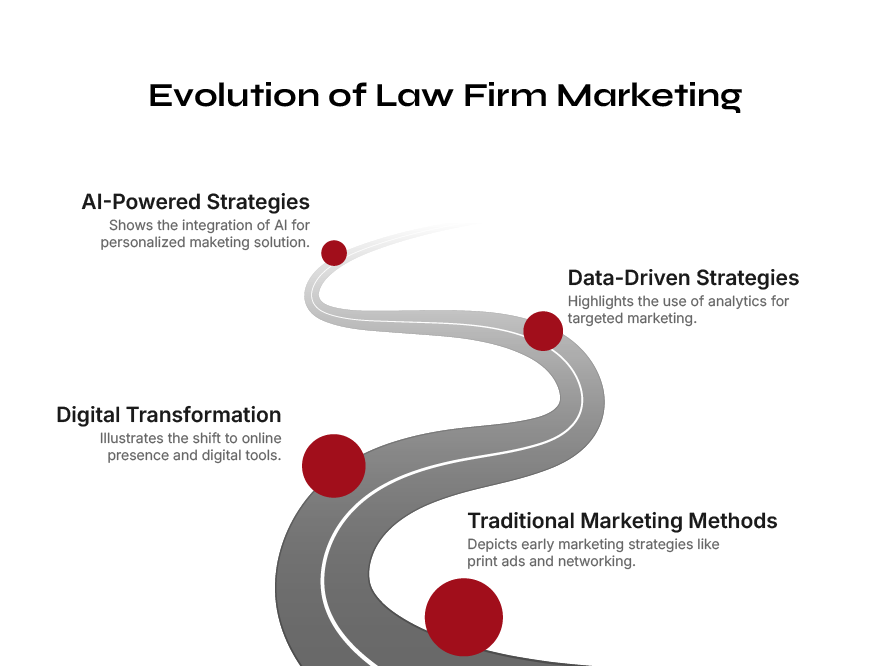
Tech has rewired the whole playbook. Ten years ago “digital marketing” for law firms meant a basic website and maybe Google Ads. Today, marketing stacks combine web platforms, automated CRMs, analytics, AI writing tools, programmatic advertising and video content systems. The result: messages that reach the right person, on the right device, at the exact moment they need help.
This means client journeys are shorter and more intent driven now. People typically self educate online before contacting a lawyer — they’ll read FAQs, watch a 90 second explainer video and check reviews. A firm that integrates its website, CRM and analytics can track this journey, personalize follow ups and measure which content actually converts.
That means marketing becomes less guesswork and more engineering and firms that adopt these tech stacks outperform those that stick with the brochure era approach. For the legal industry, that digital first shift is now the table stakes.
The Internet Revolution
The internet changed everything by multiplying channels and shrinking attention spans. For law firms, the job now is to be visible where potential clients hang out and to be useful fast.
People use social media for quick answers, Google for intent searches and YouTube to vet personalities. For lawyers that means combining reputation with discoverability. A high quality website is still the home base but discoverability across search, social, maps and review sites matters equally.
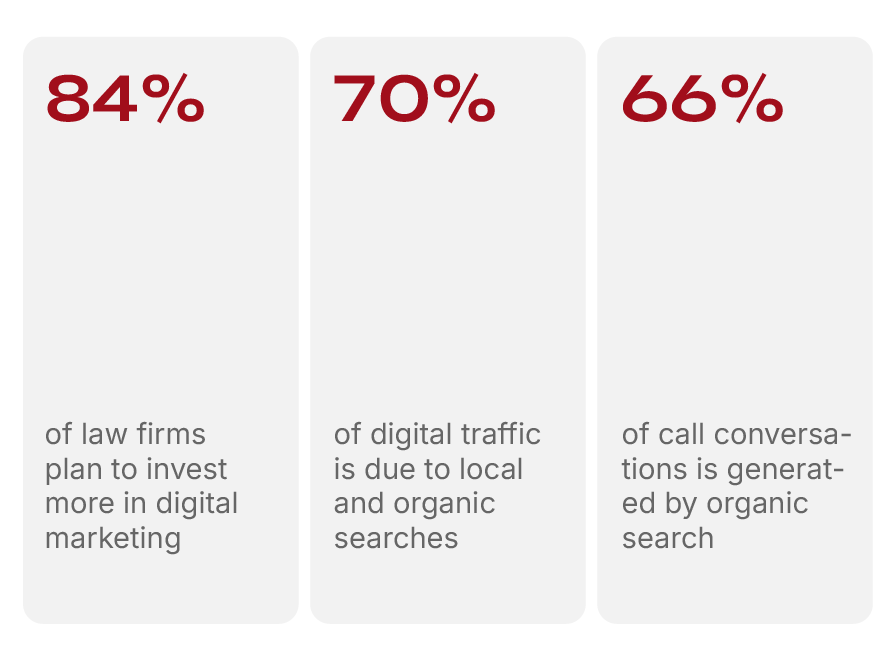
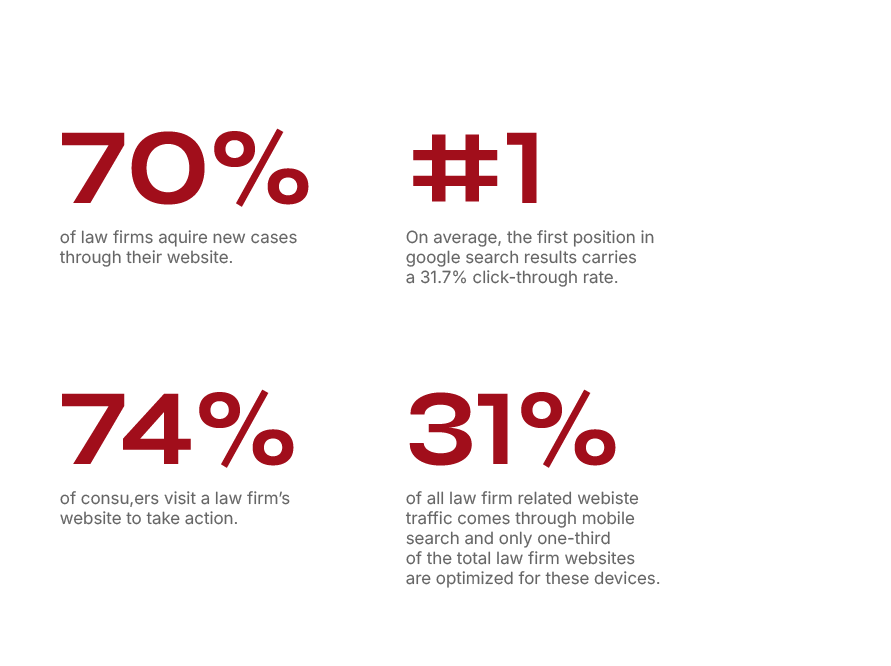
Local presence (Google Business Profile optimization), strong on page content and mobile performance are also non-negotiable if you want to appear in searches at the moment a legal need arises. SEO for law is evolving too as search engines are increasingly influenced by user intent signals and AI driven updates so content that answers real client questions simply will win.
Social Media: Trust First Outreach (Not Billboards)
Social platforms turned lawyers who once hid behind letterheads into approachable human faces. That matters because legal choices are emotional — people want to know who they’ll trust during a vulnerable time.
Short form content (TikTok, Instagram Reels) has made legal education snackable. Firms that explain a common legal step in 30 seconds build credibility; those who only post “we win cases” ads get scrolled past. LinkedIn remains powerful for B2B and referral networks — long form commentary and client facing thought leadership do well there. And don’t sleep on community groups and local pages; answering questions in a neighborhood forum often leads to warm leads.
Social media also lets you show processes and not just results. A short series on “what happens at your first intake” reduces friction and going live for Q&A humanizes your team. As attention shifts to video, law firms that master short, useful clips gain trust faster than those who only publish long form whitepapers.
Website SEO: Content That Actually Helps (And Ranks)
SEO is smarter in now a days. The search engines now reward content that solves user intent, answers questions clearly and keeps people engaged. For law firms, that means moving from keyword stuffing to practical, client centered pages: clear service pages, local landing pages, FAQ rich content and case type explainer posts that actually answer the questions people type.
Technical SEO still matters: page speed, structured data (to surface FAQs in search results), mobile first design and secure hosting all affect rankings. But even more important is topical depth. A practice that publishes useful resources for a niche (like “what to expect in a Florida slip and fall claim”) signals expertise and relevance to search engines and to potential clients. Keep readability high, use plain language and include clear calls to action so the searcher knows how to take the next step.
Recent search updates have emphasized AI and user intent so build content around the questions your clients ask and support it with local signals like reviews and Google Business Profile optimization.
Hyper Personalization For Digital Ads
Ad platforms now lets you aim a message like a laser. Gone are the days of blasting a generic ad to everyone in a zip code and hoping someone bites. With data from CRMs, website behavior and third party platforms, firms can create audiences that have searched for specific terms, visited fee pages or watched a firm’s videos — then retarget them with messages that match their stage in the decision process.
Personalization increases ROI so instead of a single “call us” ad these things work better now:
- A firm might show an explainer video to cold viewers
- An attorney bio to those who visited the contact page
- Sending a “free consult” message to people who filled out a partial intake form
However, privacy changes (and ad platform shifts) are real but first party data (your own site visits or email list) are gold. Invest in tracking, consent first data capture and tailored creative to reduce wasted spend and increase qualified leads.
Video Marketing and Live Streaming
Video is the fastest way to show personality and explain complexity simply. Prospective clients decide whether to reach out based on trust and watching a lawyer speak plainly in a two minute video builds trust faster than a long bio.
Short explainer clips, client testimonial videos and live Q&A sessions answer client questions and showcase the firm’s voice. YouTube functions as both a search engine and a credibility platform; lawyers who publish consistent video content get better visibility and retention. Live streams (LinkedIn Live, Instagram Live) create real time engagement and are great for community outreach or client education.
Start simple: a series of short answers to FAQs, shot in good audio with natural light, will outperform a long, jargon filled PDF. Over time, repurpose: clips for social, transcripts for blog posts and condensed highlights for paid ads. Video is no longer optional; it’s the medium that accelerates trust and conversion.
Artificial Intelligence and Machine Learning
AI is the headline this year bringing scale and speed to law firm marketing. But the practical playbook is straightforward: use AI to do repetitive tasks (draft versions of content, summarize interviews, categorize leads) and keep humans in charge of nuance, ethics and final edits.
Adoption is increasing across the legal profession, but firms are rightly cautious about accuracy, privacy and professional responsibility. The smart approach is measured: pilot generative tools for internal workflows, create clear policies for client information and use human review for client facing content. In doing so, firms get the efficiency gains without risking client trust. Recent surveys show rising AI usage among legal professionals, but widespread firm level deployments still require thoughtful governance.
Data & Analytics
A website hit count looks nice on a slide, but what converts is behavior: time on page for key articles, form completion rate, contact page visits and the quality of inbound calls. Modern marketing is about building a measurement plan that ties activity to outcomes: leads, consultations, retained matters and revenue.
Analytics tools can stitch together journeys across channels from the first ad impression to signed retainer. Attribution in legal marketing is messy (longer consideration windows, referrals, offline calls). Still, firms that track micro conversions (form starts, call time, resource downloads) can optimize the funnel. That means testing landing pages, trialing different ad messages and iterating creative — all based on data, not hunches.
Use dashboards that surface actionable insights for partners, not just raw exports. If you want ROI, make data understandable, assign responsibility for follow up and experiment in short cycles. The tech is here; the discipline is what separates winners from noise makers. ‘
Client Experience & Automation
Automation is where marketing meets operations. Intake forms that auto populate, appointment scheduling that avoids double booking and automated follow ups reduce friction and make firms feel responsive. But the key is to automate thoughtfully: keep the human touch at critical moments (first consultation, fee discussion) and use automation for administrative lift.
CRMs built for legal practices can route leads by practice area, prioritize them by intent signals and trigger personalized emails so no one falls through the cracks. SMS reminders, short video intros sent before intake and portal access for documents all improve conversion and client satisfaction. When tech reduces friction while preserving empathy, conversion rates climb and referral rates follow.
Be mindful of ethics and security; automations must protect client confidentiality and comply with state bar rules about communications. Done right, automation turns marketing leads into clients without making the process feel robotic.
Action Steps: 10 practical strategies that work today
Below are ten concrete strategies that reflect how technology is changing law firm marketing strategies and will help your firm stay competitive.
1. Audit and prioritize tracking
Track site behavior (forms, calls, video watches). Use first party data to build audiences for retargeting. (Why: better attribution and smarter ad spend.)
2. Create short and helpful videos
Produce 30 to 90 second explainer clips answering common questions. Repurpose into social, YouTube and paid ads. (Why: trust + discoverability.)
3. Optimize local SEO
Claim and fully optimize Google Business Profiles, collect reviews ethically and build localized landing pages for each practice area and city. (Why: local intent converts.)
4. Use AI for first drafts
Let AI produce drafts of blogs, ad copy and FAQs, then have an attorney edit and add local context. (Why: speed + quality control.)
5. Build a simple intake automation
Implement form to CRM routing, automated calendar booking and SMS reminders to reduce no shows. (Why: increases conversion rate.)
6. Personalize ad creative by funnel stage
Serve different messages to viewers who watched a video vs. those who visited your pricing page. (Why: boosts ROI and lowers CPL.)
7. Measure micro conversions
Track form starts, time on key pages and scheduling clicks — not just visits. Turn those into KPIs for partners. (Why: actionable insights.)
8. Test conversational content (live Q&As)
Host a monthly live session on LinkedIn or Instagram to answer local legal questions and capture warm leads. (Why: scales trust.)
9. Train staff on AI + privacy rules
Create a firm policy for AI use and run training for the team so tools are used safely and consistently. (Why: reduces ethical and accuracy risks.)
10. Invest in one long term differentiator
Build a content hub (deep resource center) or a video channel niche that you can own for years. (Why: cumulative SEO and trust equity.)
Each of these moves is low to medium lift and produces measurable benefits when executed with discipline.
Final Thoughts
Technology isn’t a magic wand that instantly brings clients. It’s a multiplier for firms that have clarity about who they serve and how they measure success.
Understanding how technology is changing law firm marketing strategies means treating tech as a team member – one that does the boring and repeatable stuff well so you can focus on the human aspect that really wins cases and clients.
Read Also: How long does it typically take to see results from a law firm marketing agency
