


Want to know how to choose a digital marketing agency for a law firm without falling for the “we’ll get you to #1 in 7 days” nonsense?
Hiring a legal marketing firm isn’t as simple as picking the first company that pops up on Google. The legal industry is competitive, client expectations are skyhigh and advertising rules are strict. That means your firm can’t afford a trial and error approach when it comes to marketing.
That’s why you need experts that you can trust but not every agency understands the unique needs (and compliance rules) of law practices. In this guide, we’ll break down exactly how to find the right partner for your firm.
Let’s go!
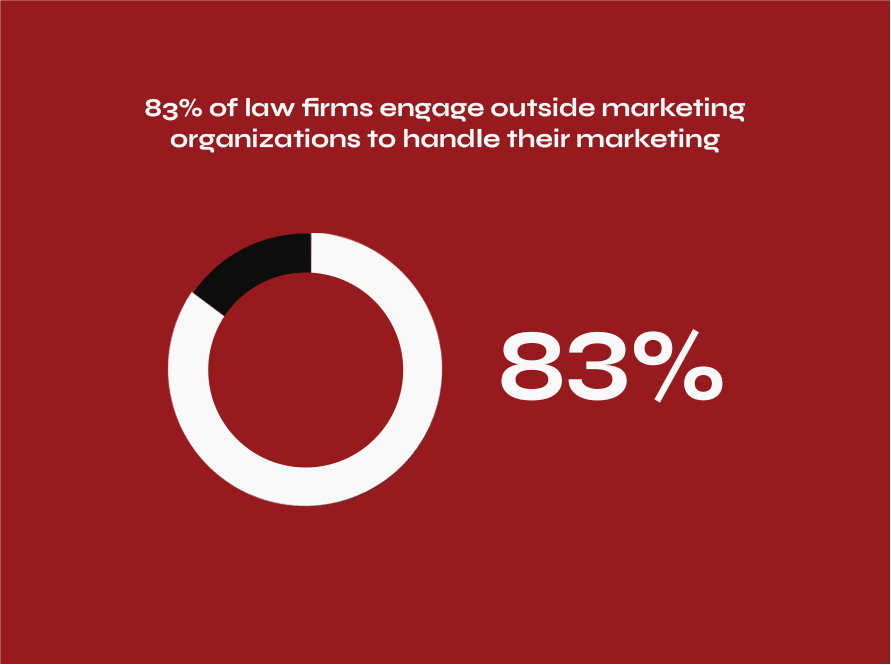
Start With Outcomes
Stop hiring based on logos and start hiring based on what success actually means to you. Is success 10 new qualified leads a month? More local calls from people who can actually pay? Higher value corporate matters? Define measurable goals, timelines and acceptable cost per lead before you talk to agencies.
Why this matters: legal marketing is niche. Agencies that specialize in law understand ethics rules, allowed claims and the unique buyer journey for people seeking legal help. Ask for KPI suggestions tied to dollars (or clients) — not vanity metrics. Several industry guides emphasize looking for legal specialist experience because of compliance and competition.
Narrow The Field (How To Shortlist)
When you ask how to choose a digital marketing agency for a law firm start by eliminating agencies that treat law as “just another vertical.” Create a shortlist of 5 to 7 firms with proven law firm case studies, ideally in your practice area (personal injury, family law, corporate, etc). Look for:
- Case studies with real metrics (traffic, leads, conversions).
- Work with firms of similar size / geography.
- References you can call (and ask pointed questions).
Many top lists and guides advise precisely this approach that legal specialization matters. Don’t be shy and request contact details for two clients. Also ask for a short walkthrough of the campaign that produced results.
Vet The SEO Chops (Because Google Drives Clients)
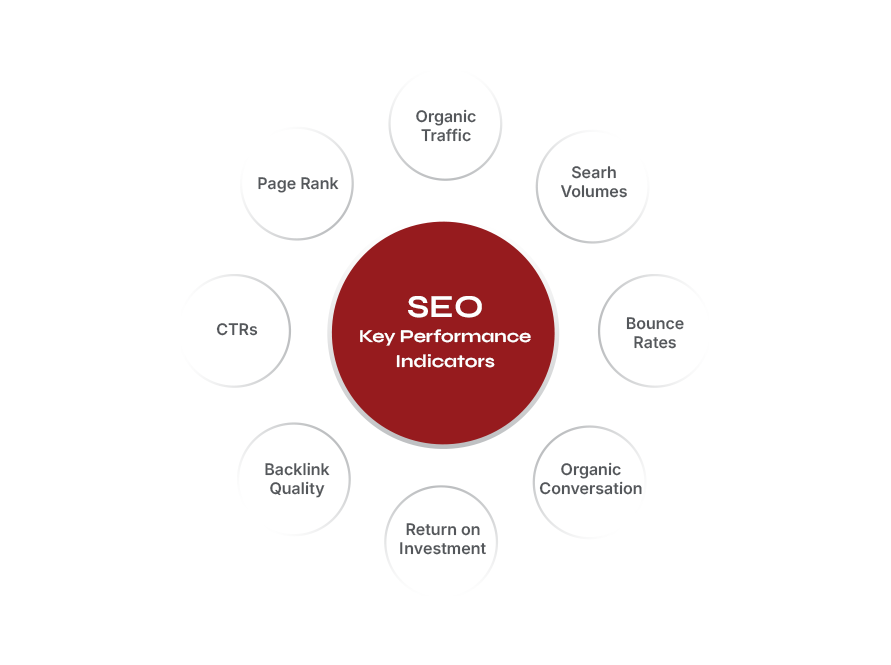
SEO is still a cornerstone for law firm marketing. Organic search can deliver steady and lower cost leads that PPC can’t sustain forever. Ask agencies about:
- Local SEO experience (Google Business Profile and local citations).
- Content strategy for intent based queries (not just “blow up blogs”).
- Technical SEO audits (site speed, schema, crawl issues).
- Link acquisition strategies that follow Google’s rules.
Look for agencies that explain why they pick keywords and can show rankings progress and conversions. Recent legal marketing guides show dedicated SEO agencies often outperform generalists for law firms.
PPC & Paid Ads: Measure ROI
Pay per click (Google Ads, Microsoft Ads, social) gets clients fast but it can also burn your budget if mismanaged. When evaluating agencies, dig into:
- Keyword match types and negative keyword strategy.
- Landing page A/B testing and conversion tracking.
- Realistic cost per click estimates in your market.
- Reporting on cost per lead and lifetime value.
Ask for an audit of a past campaign (or a demo account). A reliable agency will show you how they set bids, build funnels and attribute leads — not just show charts. Several agency reviews highlight PPC as essential for competitive niches like law.
Content & Messaging That Builds Trust (The Legal Buyer Wants Empathy)
Legal services sell trust. Your content must prove competence and humanize your firm. Evaluate how agencies approach:
- Client centric messaging (case studies, FAQs, clear next steps).
- Trust signals (bios, awards, privacy/ethics messaging).
- Evergreen content (answering the exact questions your clients ask).
- Video and short form content for credibility (intro videos, attorney Q&As).
Ask for sample content they’d write for a 3rd party topic. Good agencies show research (keyword intent + competitor gaps) and an editorial calendar that matches your client journey.
Technical Setup & Measurement (Don’t Hire Blindfolded)
Most attorneys went to law school to practice law, not to figure out SEO, PPC or social media algorithms. If an agency can’t or won’t set up reliable tracking, walk away. You need:
- Analytics configured for conversions (calls, form fills, chats).
- Call tracking and call attribution if phone intake is key.
- CRM integration so leads flow to the right person and get followed up.
- Monthly dashboards with trend analysis and next step recommendations.
Many legal focused sites emphasize the need for transparent reporting and CRM connections otherwise you’ll be guessing whether campaigns are working.
Red Flags And Dealbreakers (How To Avoid Wasting Money)
Watch out for:
- Guarantees of “#1 ranking” because SEO has no guaranteed dates.
- Agencies that refuse to share tactics or case studies.
- Long lock in contracts without performance clauses.
- One person shops promising “full service” teams unless they clearly subcontract and disclose it.
A reputable agency will give clear scopes, reasonable timelines and an exit plan. Industry roundups repeatedly call out overpromising and lack of transparency as the biggest issues.
Pricing Models Explained (What You’ll Actually Pay For)
Agencies price in different ways: monthly retainers, project fees, percentage of spend or hybrid models. For law firms:
- Small practices often do best with a monthly retainer covering SEO + content + light PPC.
- Larger firms sometimes prefer performance based or mixed models.
- Always ask what’s included (content creation, link building, ad spend, tools).
Get itemized proposals. If an agency gives a flat number without deliverables, ask for an itemized scope. Transparency here prevents scope creep and billing surprises. Several guides and agency lists explain common pricing structures used in legal marketing.
Read Also : Which Attribution Model Is Best For Law Firm Marketing
Make The Shortlist Call: 12 Questions To Ask
When you have 3 finalists, call them. Use this quick script of killer questions:
- What’s a recent legal client win and the KPI improvements?
- How do you measure lead quality?
- Who will be on our team (names, roles)?
- How do you handle compliance and lawyer advertising rules?
- What will you need from our firm in month 1, 2, 3?
- How often will we meet and what does reporting look like?
- What’s your onboarding process?
- Are there additional costs (tools, production)?
- Can you sync to our CRM?
- What’s your content approval workflow?
- How do you handle negative PR or reputation issues?
- Can we talk to current/past clients?
A strong agency answers with specifics: names, timelines and a playbook — not a vague dance about “being strategic.” Guides for hiring law focused agencies recommend exactly this mix of operational and results questions.
Trial Period & KPIs (Set Realistic Expectations)
Don’t expect miracles in 30 days. A sensible plan includes:
- Month 0 (onboarding): audits, tracking setup and keyword plan.
- First quarter (Month 1 to 3): quick wins (PPC, GMB optimization, technical fixes) and content production.
- Second quarter (Month 3 to 6): SEO momentum, backlinks, conversion optimization
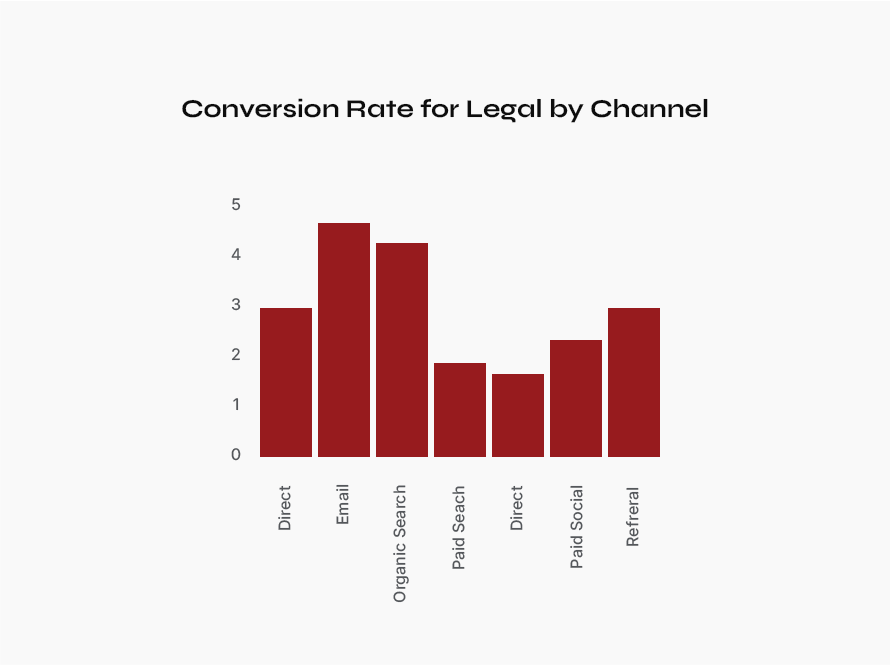
Set 3 to 5 KPIs (like qualified leads, conversion rate organic leads, etc) and review monthly. Ask for a 90 day roadmap in writing. Many legal marketing authorities outline similar onboarding timelines and emphasize a phased approach.
Final Checklist & Decision
Before you sign:
- Confirm deliverables, timelines and reporting cadence in writing.
- Verify who owns content, accounts and analytics.
- Ensure there’s a clause for termination or performance review.
- Get a kickoff checklist (assets, access, contact list, intake scripts).
If you follow these steps, you’ll legitimately know how to choose a digital marketing agency for a law firm — not by guessing but by comparing evidence. One last tip is to pick the legal marketing agency you believe will treat your clients with the same care you do. That matters more than clever copy.
Wrapping Up
Marketing for lawyers is a repeatable process of clarity, testing and trust. Law firm marketing agencies can accelerate growth but only if they truly understand how your clients think and behave.
At Advocate Marketers, we’ve built our entire approach around this. We know how to navigate legal ethics, tap into local search behavior and most importantly, connect with clients when they’re stressed, scared or even angry. That’s what makes our strategies work and why we love helping law firms grow with confidence.
FAQs
1. What should law firms look for in a digital marketing agency in 2026?
Law firms should look for agencies with proven experience in legal marketing and strong SEO expertise. A good agency also has transparency, industry knowledge and tailored strategies.
2. Why is it important to choose a specialized agency for law firm marketing?
Legal marketing is very competitive and highly regulated. An agency that understands the legal industry can create compliant strategies and know how to target the right clients.
3. How do I compare digital marketing agencies for my law firm?
Start by reviewing case studies, testimonials and client success stories. Ask about their approach to SEO, content marketing and paid ads. It’s also smart to compare pricing and how they measure ROI for law firms.
4. How soon can a law firm see results after hiring a digital marketing agency?
Timelines vary but most law firms start seeing improved visibility within 3 to 6 months. SEO and content strategies take time while paid ads can bring quicker leads.
