


Most lawyers didn’t go to law school to spend their days arguing with Google Analytics. Yet here you are, running a firm and trying to figure out if that $5,000 you dropped on Facebook ads actually brought in a client.
The thing is clients don’t come straight from one ad or one blog post. They Google you, stalk your reviews, read a blog, maybe call, then ghost and then finally call again after seeing your billboard. So how do you know which marketing dollar did the heavy lifting?
Attribution models can tell you exactly which marketing channels actually deserve a toast at your next partner meeting – and which ones should get cut from the budget. And the big question every lawyer asks (or should ask) is: which attribution model is best for law firm marketing?
Keep reading to learn what an attribution model even is and which one makes the most sense for your practice.
Why Attribution Matters For Law Firms (And Why It’s Not Optional)
If you’re a lawyer, your time is billable and your marketing budget isn’t infinite. Attribution isn’t just a nerdy analytics thing — it’s how you figure out which channels actually bring paying clients versus which ones look pretty on a slide deck.
Without attribution you’ll keep funding the noisy channels (paid search, flashy sponsorships, agency vanity metrics) while starving the quiet but effective ones (referrals, niche content, local PR).
Good attribution helps you answer two core questions like what brought this lead in originally and what nudges turned them into a call or appointment. The path from discovery to hire can be messy for law forms. It includes multiple visits to your site, a webinar, a PPC click and a referral call. That messy journey is why single touch models (give all credit to first or last touch) often mislead legal marketers and partners.
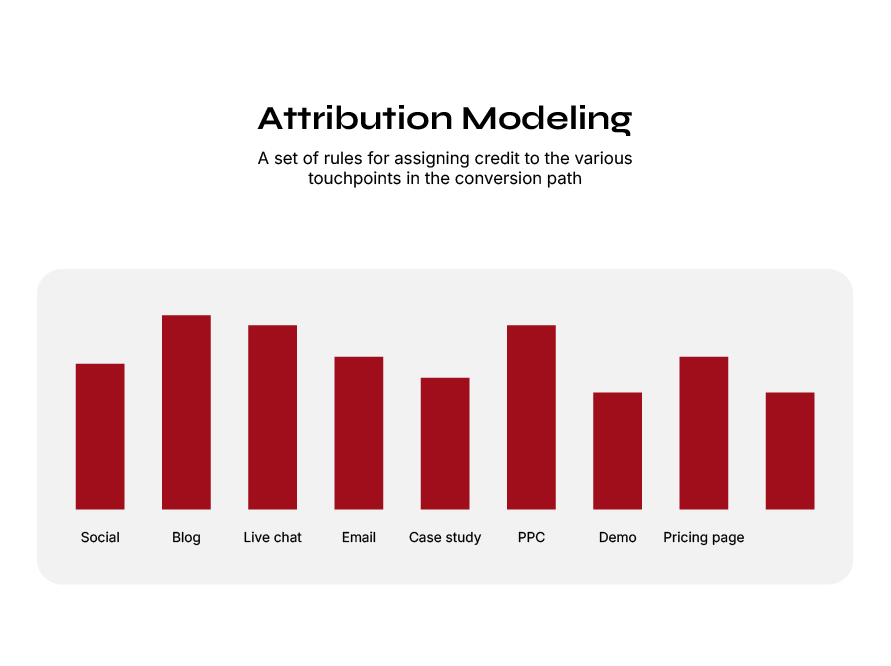
Quick Overview Of The Main Attribution Models
There are a handful of models you’ll run into in dashboards and agency proposals. Here’s the short, non technical cheat sheet:
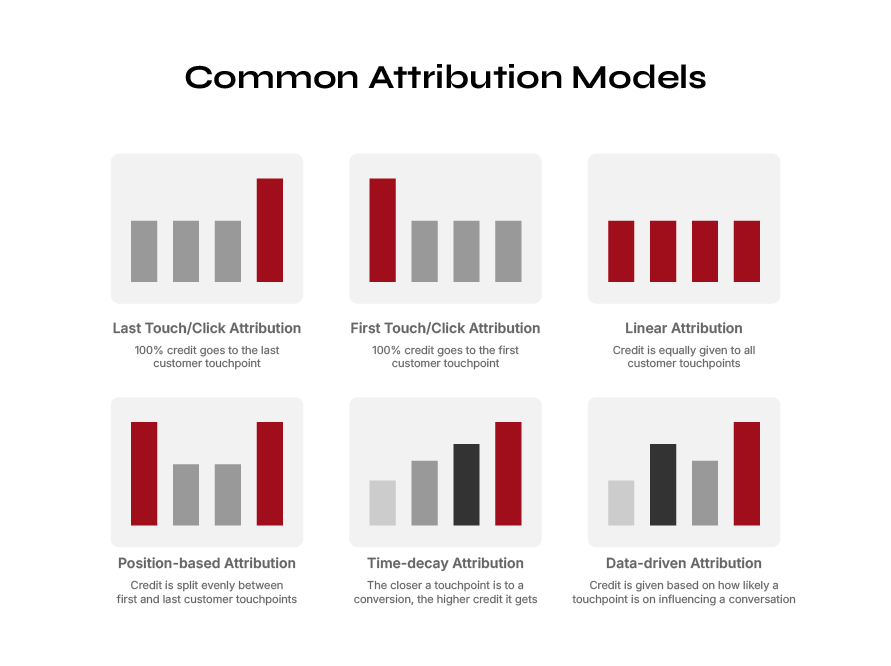
- Last click: All credit goes to the last interaction. Simple, but shortsighted.
- First click: Credit the first thing that brought someone in. Good for brand awareness judgment calls.
- Linear: Split credit equally across all touchpoints. Fair, but can under reward key moments.
- Time decay: More credit to interactions closer to conversion. Useful when the decision process accelerates over time.
- Position based (U or W shaped): Big slices to first and last (and sometimes the lead creation touch), smaller slices in between.
- Data driven / algorithmic: Uses your actual data to compute influence. It’s the smartest and often the priciest and most complex.
So which attribution model is best for law firm marketing? You match the model to your sales cycle, budget and measurement abilities.
Why Many Law Firms Get Fooled By Last Click (And How To Avoid It)
Last click attribution is seductive because it’s easy: a conversion was recorded after a last click, so the last thing gets the glory. The problem is clients rarely hire on a single click. They read articles, ask colleagues, see ads and then call. If you award everything to the last click, you’ll overfund that final touch (usually paid search or a retargeting ad) and underfund the awareness and nurturing that actually made the conversion possible.
Last click can be actively harmful for law firms with long decision cycles – like personal injury, family law or complex civil matters. Instead, use it as one view among many: compare last click to a multi touch model or a time decay view. That contrast tells if paid search spikes in last click but drops in multi touch, your ads are closing, not creating demand. Use that to shift budget toward content and referrals that feed the funnel earlier.
First Click Or Awareness Weighted Models For Law Firms
If your firm is trying to build a brand in a new market or promote a signature practice area, give first click or position based models attention. These models highlight which channels introduce potential clients to you in the first place. That’s gold when you’re testing new geographies, launching a TV or local radio campaign or investing in thought leadership content.
For example, if you want more DUI leads in a new county, first click attribution will show whether your SEO content, directory listing or a sponsored local article is actually being found. If your goal is brand penetration, reward the channels that create awareness then layer in other models to see who later converts. Always align model choice with the business question: brand building = early touch emphasis; immediate conversion = later touch emphasis.
Multi Touch Models: The Practical Sweet Spot For Most Law Firms
For most law firms the best practical choice is a sensible multi touch model — position based (U shaped/W shaped) or linear — because client journeys are multi step. These models prevent you from giving all credit to a single heroic click and instead allocate credit across the journey. That helps you see if your blog posts, email follow ups and ad buys are playing together.
Position based models are popular in legal marketing because they give significant credit to the first interaction (awareness) and the last interaction (conversion), with the middle getting shared credit. This mirrors how many legal clients behave: they discover you, engage a bit, then decide after a few high trust interactions. Use a multi touch model as your default reporting lens and then run first click and last click side by side for tactical insights.
Data Driven Attribution: The Gold Standard (If You Can Afford It)
Data driven (algorithmic) attribution uses your actual conversion data to learn which touchpoints matter most. It’s objectively powerful because it adapts to your unique funnel rather than imposing arbitrary weights. But it needs volume and good data hygiene (clean tracking, consistent UTM usage and reliable offline conversion capture like call tracking and intake sources).
If your firm has steady monthly lead volume and a clear way to tie calls/consults to marketing touchpoints then data driven models are better. For example, a case study page reliably nudges prospects toward a consult two weeks later. If you don’t have the data volume or the integration to capture offline conversions then a configured position based model is a much cheaper alternative.
How Google Analytics 4 (Ga4) Changes The Game — And What To Watch For
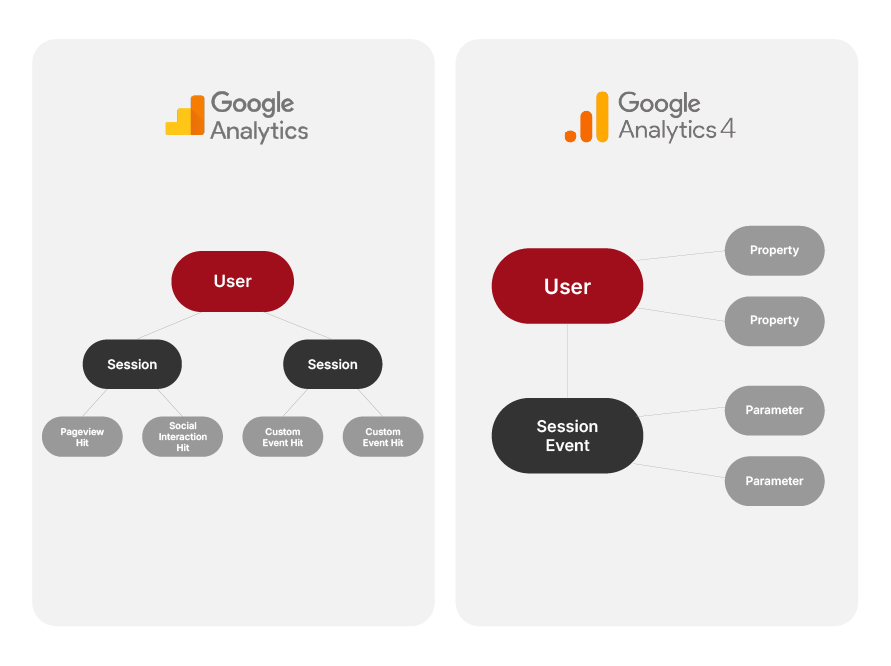
Google’s move to GA4 changed the attribution landscape: some classic preset models have been reworked or replaced and GA4 emphasizes event based cross platform tracking. This is important for law firms because GA4’s model comparison tools let you test multiple models side by side. So you can see how your channels perform under different assumptions.
But beware: GA4 also demands better implementation. If you don’t track phone calls, form submissions and offline outcomes properly, GA4’s insights will be shallow. Make sure your intake system maps offline conversions back into GA4 (via Measurement Protocol or CRM integrations). That way your attribution reflects real hires — not just clicks. If your firm is still on Universal Analytics, migrate and verify your event taxonomy; otherwise you’ll be making decisions with incomplete evidence.
Practical Measurement Stack For A Law Firm
You don’t need a unicorn stack, but certain tools make attribution realistic:
- GA4: primary digital analytics (set up events and conversions).
- Call tracking (CallRail, WhatConverts): ties phone leads to campaigns.
- CRM with source fields: capture intake source and UTM on lead records.
- Form tracking + server side events: avoid losing data to ad blockers.
- Dashboards (Looker Studio / agency dashboard): combine online and offline conversions into one view.
The goal is simple: stitch digital touchpoints to real intake outcomes. Call tracking is the single biggest uplift for law firms. Basically, a huge share of legal leads call first so if you can’t attribute calls, you’re flying blind. Connect the call data into your CRM and then into GA4 (or your dashboard) so every hire appears in the model. That makes attribution meaningful for partner level decisions.
A Step By Step For Picking The Right Attribution Model
- Define the business question: Is this about brand growth, lead volume or cost per client?
- Assess data readiness: Do you track calls, forms and offline hires? If not, prioritize tracking.
- Start with multi touch (position based): This is the practical default for law firms.
- Run model comparisons: Use GA4’s Model Comparison to see first/last/position differences.
- Pilot data driven: If you have volume, test a data driven model for 3 to 6 months.
- Report multiple views: Present last click for ad ops, multi touch for strategy and data driven for the board if available.
- Reassess quarterly: Case types, markets and channels change and so should the attribution.
Follow these steps and you’ll answer “which attribution model is best for law firm marketing?” with evidence, not opinion. Make sure every step includes how you measure offline conversions — that’s where the money is.
Read Also : How To Choose a Digital Marketing Agency For a Law Firm
Common Pitfalls And A Tidy Checklist To Avoid Them
Pitfalls:
- Ignoring offline conversions: If you don’t feed phone and intake data into analytics, you’ll misattribute everything.
- Bad UTM discipline: Inconsistent tagging makes multi touch useless.
- Blind faith in a single model: Different models answer different questions so don’t treat one as gospel.
- Overcomplicating reports: Partners want actionable insight, not dashboards that require a PhD.
Checklist (yes/no):
- GA4 events correctly implemented for forms, calls and chat.
- Call tracking integrated with CRM.
- UTMs standardized and enforced.
- Position based model used as baseline reporting.
- Periodic data driven experiment set up (if volume allows).
Quarterly review calendar for attribution assumptions.
Run through that list and your attribution will actually improve decision making. You will also stop funding shiny things that don’t produce clients. When a partner asks “which attribution model is best for law firm marketing?” you can hand them the checklist and a report that proves your point.
Conclusion — So Which Attribution Model Is Best For Law Firm Marketing?
If you want a single, defensible answer: start with a position based multi touch model (U or W shaped) as your baseline, use GA4 model comparisons to understand edge cases and graduate to data driven attribution only when you have reliable tracking and sufficient lead volume.
Why? Because position based balances awareness and closeness while GA4 gives you practical side by side comparisons and data driven gives tailored insights when you have the data to support it.
In short: position based for pragmatic reporting, data driven for the science experiment.
FAQs
What is a marketing attribution model?
A marketing attribution model is a framework that shows which marketing channels or touchpoints influence client decisions, helping law firms track, measure and spend smarter.
Why do law firms need attribution models?
Attribution models help law firms understand which campaigns drive real client consultations, reduce wasted ad spend and identify the most profitable marketing efforts across multiple touchpoints.
Which attribution model is best for law firm marketing?
Most law firms benefit from position based or multi touch attribution. These models highlight first and last interactions, balancing brand building and conversions for more accurate marketing performance analysis.
Can small law firms use attribution models effectively?
Yes! Even small firms can benefit by tracking basic metrics with Google Analytics, call tracking and CRM tools, making smarter decisions about where to invest limited budgets.
